

Egypt’s strategic vision for aviation development
By Mohamed Attia
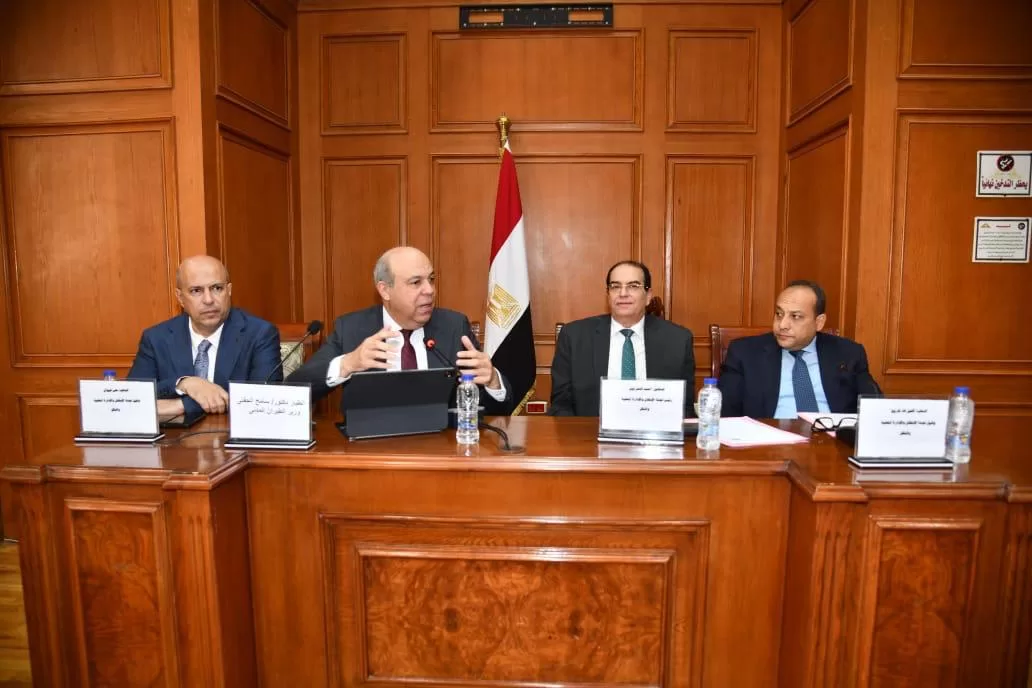
Minister of Civil Aviation Sameh El-Hefny recently presented a comprehensive strategic vision to the Egyptian Senate’s Housing, Local Administration, and Transportation Committee.
The briefing outlined a clear roadmap designed to modernise Egypt’s aviation infrastructure and elevate its standing in the global transport industry.
The core plan focuses on upgrading the national carrier, expanding airport capacities, and enhancing the overall passenger experience.
By driving operational efficiency and opening the doors to private sector investments, the ministry aims to build a highly competitive aviation ecosystem that directly supports the nation’s broader economic and tourism goals.
Overcoming financial hurdles
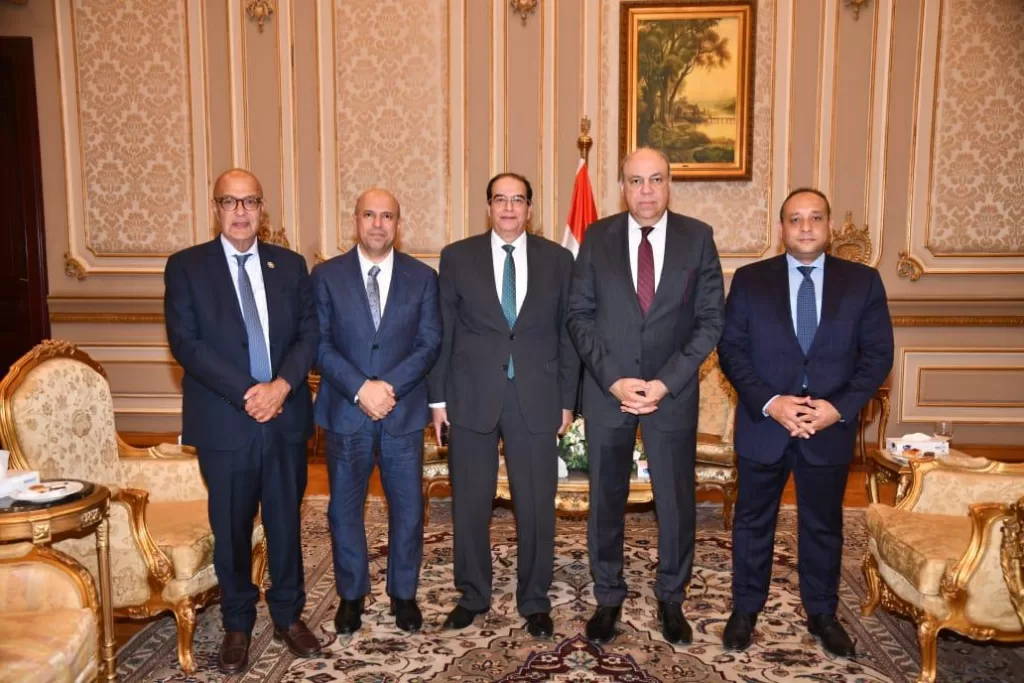
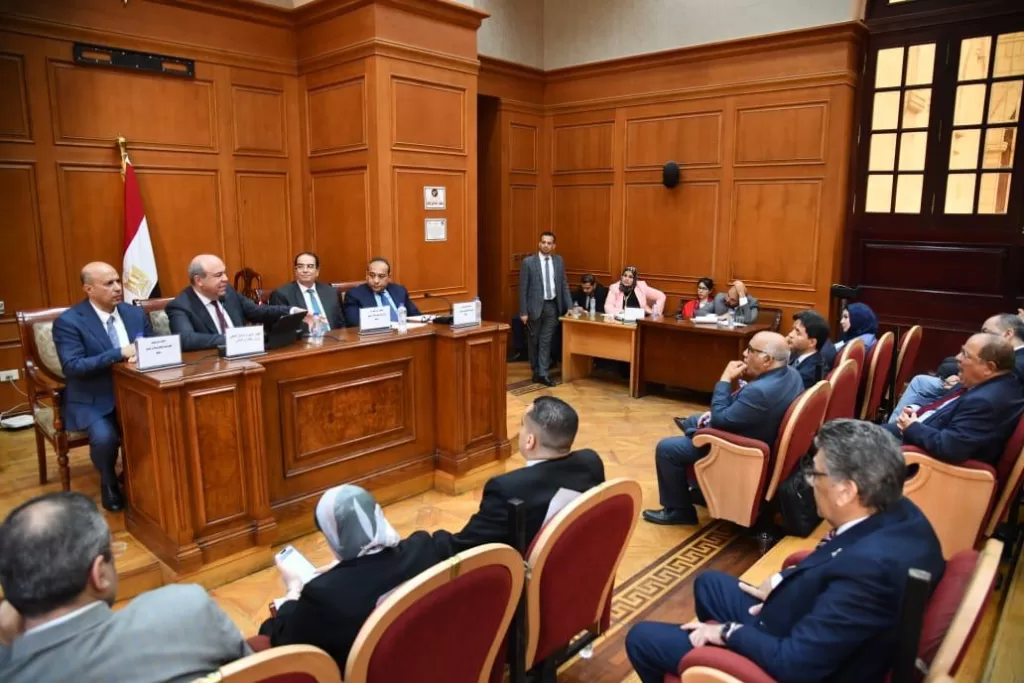
During the committee session, which was attended by parliamentary leadership including Representative Ahmed El-Shaarawy and other key members, El-Hefny addressed the severe economic pressures EgyptAir has faced in recent years.
The airline weathered significant setbacks brought on by currency devaluations, rising foreign debt obligations, and the lingering economic fallout of the global pandemic.
Despite these hurdles, the national carrier has successfully reversed its downward trend, drastically cutting its accumulated losses and reporting positive financial returns for the 2024/2025 fiscal year.
The ministry expects to eliminate all remaining losses entirely within the next four years through rigorous operational and financial reforms.
Expanding EgyptAir fleet
A major pillar of the development strategy is the aggressive expansion of EgyptAir’s fleet, which currently stands at 72 aircraft.
To bypass modern supply chain constraints, the ministry has scheduled the arrival of 28 new aircraft over the course of 2026 and 2027.
This influx is part of a larger, long-term initiative to grow the fleet to approximately 125 aircraft.
This expansion will allow the airline to map out new routes and destinations, acting as a primary engine behind Egypt’s ambitious national target to attract 30 million tourists annually by 2030. Additionally, the interior cabins of 19 existing B737-800 aircraft will undergo full refurbishments to maximize the value and comfort of the current fleet.
Upgrading digital services
EgyptAir is also undergoing a digital transformation to streamline the passenger journey from booking to arrival.
The airline is actively upgrading its main website and customer call centres to offer smoother, round-the-clock electronic services and flight management. These service upgrades have already yielded measurable international recognition.
As a proud member of the elite Star Alliance, EgyptAir continues to meet strict global technical and operational standards. Furthermore, the airline has successfully fought its way back into the top tier of global aviation rankings. According to the 2025 Skytrax World Airline Rankings, EgyptAir jumped to 68th place worldwide and secured multiple international awards for its steady service improvements.
Boosting low-cost travel
The strategy places equal emphasis on Air Cairo, the low-cost subsidiary of EgyptAir, which currently operates 42 aircraft.
Over the next four years, the ministry plans to nearly double its fleet size to 82 aircraft.
This growth will foster deep operational integration between EgyptAir and Air Cairo, allowing them to coordinate route networks more effectively.
A proven blueprint for this strategy is Hurghada Airport, which was successfully transformed into a regional transit hub.
This single hub model has already facilitated the seamless transfer of roughly 20 percent of all inbound tourists traveling to Egypt, showcasing the power of strategic regional planning.
Welcoming private investments
To sustain this growth, the Ministry of Civil Aviation is actively shifting toward a model that embraces private sector participation in airport management and operations.
By drawing on successful local precedents like Marsa Alam Airport, the government aims to leverage international expertise to run its facilities more efficiently.
The ministry is currently collaborating with the International Finance Corporation to analyse and implement global best practices for airport operations.
As a primary step in this initiative, Hurghada International Airport is currently being prepared for an upcoming, fully transparent competitive bidding process to bring in specialised private management.
Credit: Source link