

World Cup Fans Face Ebola Screening As Congo Returns To FIFA Tournament
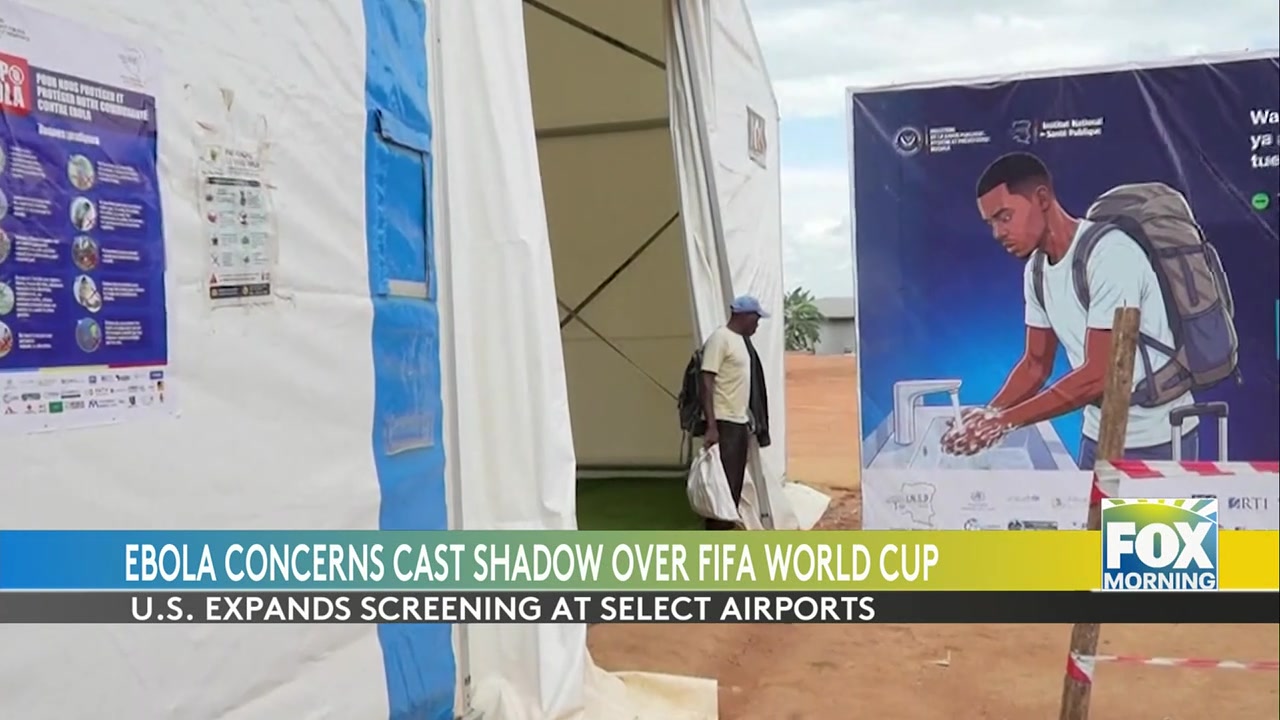
The Democratic Republic of Congo is making a long-awaited return to the FIFA World Cup, participating for the first time since 1974. This remarkable achievement has captured global attention, especially as the tournament is jointly hosted by the United States, Canada, and Mexico—a historic first for the event. However, the jubilation surrounding Congo’s participation comes amid serious public health concerns, notably the ongoing risk of Ebola virus transmission. As millions of fans prepare to travel across continents to cheer on their teams, health authorities worldwide are mobilizing unprecedented safety measures to protect participants and spectators alike.
Ebola, a severe and often fatal illness, has had sporadic outbreaks in parts of Central Africa, with the Democratic Republic of Congo being one of the most affected countries. Given the risk that international travel poses for spreading infectious diseases, the convergence of global fans at the World Cup necessitates stringent precautions. In response, U.S. public health agencies, including the National Institutes of Health (NIH) and the Centers for Disease Control and Prevention (CDC), are ramping up their screening and surveillance operations at key points of entry on U.S. soil.
Travelers who have recently visited countries grappling with Ebola outbreaks—specifically Congo, Uganda, and South Sudan—are being closely monitored. These individuals are being funneled through four major U.S. airports equipped with enhanced screening protocols designed to identify potential Ebola symptoms early, thereby preventing possible transmission within the host countries. This level of vigilance highlights the complexity of managing an international sporting event amid health emergencies, underscoring the intersection of global sports diplomacy and public safety.
Comprehensive Airport Screening Measures Around the World
The fight against Ebola at international borders extends beyond North America. The European Union has stressed the crucial importance of well-organized and functioning exit screenings in airports near outbreak zones. These measures aim to reduce the risk of importing the virus into the EU and to minimize transmission risk on international flights. Exit screening protocols are tailored to detect symptomatic travelers, using temperature checks and health questionnaires while maintaining efficient passenger flows to avoid disruption of travel schedules.
These efforts are part of a broader global health strategy that seeks to balance public safety without unnecessarily hindering international movement. The collaboration between affected countries, transit hubs, and destination nations reflects an acute awareness of Ebola’s potential to spread unhindered in a highly connected world.
U.S. Strategic Collaborations and Enhanced Preparedness
The U.S. government is not only implementing rigorous domestic screening but is also engaged in international cooperation to bolster Ebola containment efforts. Officials have expressed confidence in their plans to construct an Ebola isolation facility at a military base in Kenya, strategically located to support regional containment and treatment capabilities. This facility is envisioned to serve as a critical asset for managing potential Ebola cases and preventing international spread.
Additionally, the U.S. State Department is considering appointing a dedicated Ebola response coordinator. This individual would oversee interagency collaboration, ensuring that U.S. resources and policies respond efficiently to the evolving epidemiological landscape. Such a role is vital in coordinating public health messaging, resource allocation, and international partnerships during large-scale events like the World Cup.
Challenges and Impacts on World Cup Events
While many preparations for the World Cup are proceeding smoothly, challenges linked to Ebola-related health concerns have already emerged. Notably, Congo’s scheduled pre-tournament friendly match in Spain was abruptly canceled after the host city banned the event due to fears over the virus. This cancellation highlights the ongoing tension between sporting celebrations and public health precautions.
Organizers of the World Cup and future international sporting events are closely monitoring developments related to Ebola and other infectious diseases. The goal is to create a safe environment that allows the spirit of competition and international unity to thrive without compromising health security. This balancing act reflects lessons learned from previous experiences with global outbreaks, reinforcing the importance of adaptability and preparedness in event management.
Fans attending the tournament are encouraged to stay informed about health advisories, practice good hygiene, and comply with all screening procedures at airports and venues. Event organizers and health officials continue to collaborate intensively to anticipate and mitigate any emerging risks during the games.
Additional Resources
For the latest updates on World Cup health advisories, Ebola preparedness, and travel guidance, visit the CDC Traveler’s Health website. This resource provides comprehensive information for travelers, including destination-specific health risks, vaccination recommendations, and real-time alerts relevant to international events.
Credit: Source link
Comments are closed.