

European Intelligence Warns of Aggressive Russian Spying to Steal Western Technology
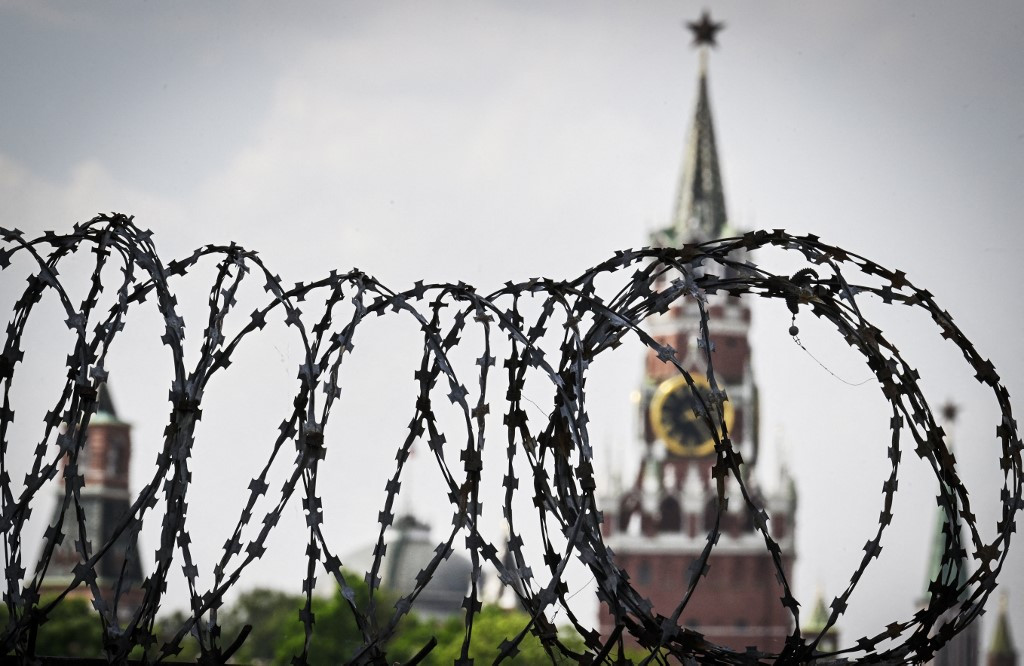
Russian intelligence apparatus has dramatically shifted toward high-risk, aggressive espionage operations within Europe, focused specifically on industrial theft to keep its strained wartime economy afloat and secure Western defense secrets, Associated Press reported.
Targeting advanced fighter jets and dual-use tech
According to Christoffer Wedelin, Deputy Head of Operations at the Swedish Security Service (Säpo), Russian agents operating abroad demonstrate an exact, highly calculated understanding of what their military-industrial complex requires to sustain its frontlines.
JOIN US ON TELEGRAM
Follow our coverage of the war on the @Kyivpost_official.
“They really know what they need,” Wedelin said that Moscow is pouring serious effort into securing advanced machine tools, high-end factory equipment, and dual-use technological research.
In Sweden, the primary target of Russian intelligence collection is the domestic defense sector, with a specific focus on cutting-edge research surrounding advanced national weaponry, including the Saab JAS 39 Gripen fighter jet. Additionally, operatives are hunting for civilian-developed camera and laser technologies that can be repurposed and integrated into Russian navigation and guidance systems.
Juha Martelius, Director of Finland’s Security and Intelligence Service (Supo), expanded on the technological vacuum Moscow is attempting to fill, explaining that Russia is trying to steal advanced research to keep pace with – or gain a future edge against – the West.
Other Topics of Interest
Ukrainian Drone Blitz Sparks Fires at Russian Oil Depots and Key Rosneft Refinery
A coordinated Ukrainian drone offensive overnight Saturday-Sunday successfully breached Russian air defenses, striking critical energy infrastructure deep inside Russia. In the Saratov region, loitering munitions struck the strategic Saratov Oil Refinery (NFP) – a key Rosneft facility in the Volga region – igniting a fuel tank farm and reportedly damaging an isomerization unit.
Martelius identified several core sectors under immediate threat, starting with space technology, which is highly sought after by Moscow right now to restore and optimize satellite imaging, military communications, and frontline navigation. Additionally, Russian operatives are targeting quantum and Arctic systems in an effort to secure long-term strategic positioning in contested northern corridors.
Finally, the Kremlin is actively hunting for marine navigation technologies, which have been heavily restricted by multi-year trade embargoes that currently limit Russia’s domestic shipbuilding and maritime capabilities.
High-risk operations and shell company networks
To circumvent Western export controls, Russian intelligence networks are deploying a multi-layered procurement apparatus. This includes leveraging cyber spies and state-backed hackers to infiltrate corporate databases, recruiting local middlemen, and establishing complex webs of front companies across neutral territories.
The practical reality of these networks was exposed in May, when Swedish police arrested two individuals connected to a shell company in Turkey that had successfully coordinated dozens of illicit shipments of advanced metalworking and turning lathes directly into Russia.
A defining characteristic of modern Russian espionage is a total disregard for diplomatic fallout. Western intelligence representatives noted that Moscow is no longer deeply concerned about its agents being caught red-handed. “They are already not so worried about potential exposure, which is why they take greater risks to achieve their goals,” Wedelin concluded.
Wartime economic fractures fueling desperation
This turn toward industrial espionage is a direct symptom of severe structural decay within Russia’s heavily isolated economy. Four years of continuous international sanctions have deeply starved Moscow of European research, factory components, and baseline software.
The technological shortage arrives at a time of immense fiscal instability for the Kremlin. An internal Russian government document revealed a letter from Finance Minister Anton Siluanov warning that skyrocketing military expenditures are creating unsustainable pressure on the federal budget.
Russia has allocated a massive 16.84 trillion rubles ($238 billion) to defense and security in its 2026 budget – nearly 40% of all government spending. This has resulted in a staggering 5.9 trillion ruble ($82 billion) budget deficit in just the first four months of the year, representing the largest financial shortfall recorded since the start of the full-scale invasion.
With corporate liquidity collapsing across Russia and major state-controlled banks actively masking bad corporate debts to prevent systemic panic, the Kremlin has prioritized military spending over all civilian sectors. Unable to organically develop next-generation technologies under the weight of this impending financial crisis, the Russian state is increasingly forcing its spy agencies to steal the industrial infrastructure necessary to keep its war machine functioning.