

Liberian Lawmakers Intensify Ebola Preparedness Amid Central African Outbreak
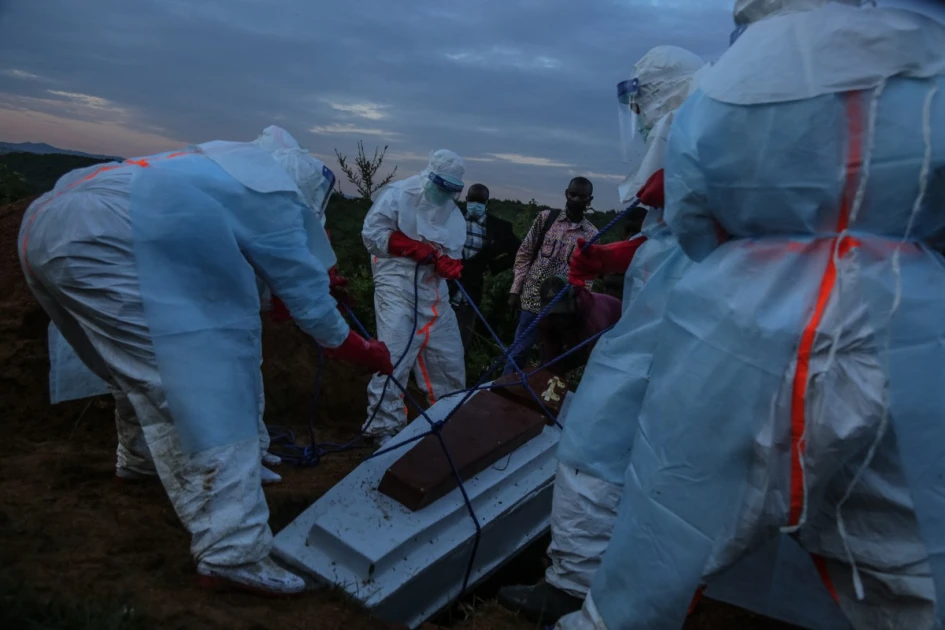
In a preemptive strike against the specter of a devastating viral epidemic, the Liberian House of Representatives has dramatically escalated its legislative oversight of the nation’s public health security framework. Despite explicit assurances from the Ministry of Health that zero cases of the Ebola Virus Disease (EVD) have been detected within Liberian borders, lawmakers are refusing to rely on complacency. Triggered by the rapidly deteriorating outbreak of the Bundibugyo strain in the Democratic Republic of the Congo and neighboring Uganda, Capitol Hill has moved aggressively to audit the country’s emergency preparedness architecture before a crisis materializes.
The legislative mobilization was spearheaded by Representative Dixon W. Seboe of Montserrado County District #16, who successfully motioned to summon the highest-ranking officials from both the Ministry of Health and the National Public Health Institute of Liberia (NPHIL). Endorsed unanimously under the leadership of House Speaker Richard Nagbe Koon, the summons mandates a comprehensive Situation Report (SITREP) detailing exact epidemiological surveillance capabilities, strategic financing, and border control protocols. For a nation that lost nearly five thousand citizens to the virus a decade ago, the stakes of absolute preparedness are staggeringly high.
The Trauma of 2014
To understand the intensity of the legislative reaction, one must look back to the apocalyptic devastation of the 2014-2016 West African Ebola epidemic. During that period, Liberia’s fragile healthcare system completely collapsed under the weight of the outbreak, resulting in catastrophic loss of life and profound economic paralysis. Schools were shuttered for months, international trade ground to a halt, and foreign investment fled the country. The collective trauma of body bags lining the streets of Monrovia remains deeply etched in the national psyche, driving a fierce political determination to never again be caught defenseless.
In the aftermath of that tragedy, the government established the National Public Health Institute of Liberia, an institution specifically engineered to detect, prevent, and rapidly respond to emerging public health threats. However, lawmakers are acutely aware that institutional mandates on paper do not always translate to operational readiness in the field. Representative Seboe’s summons is designed to brutally pressure-test NPHIL’s current capabilities. The legislature is demanding verified data on the stockpile of personal protective equipment (PPE), the readiness of rural isolation wards, and the functional status of regional testing laboratories.
The Border Control Dilemma
The geopolitical reality of West Africa complicates any strategy of total isolation. Liberia shares highly porous, densely forested borders with Guinea, Sierra Leone, and Ivory Coast, featuring hundreds of unofficial crossing points utilized daily by transient traders and local communities. While the current epicenter of the outbreak is located thousands of kilometers away in Central Africa, global aviation networks and highly mobile populations mean the virus could traverse the continent in a matter of hours. The World Health Organization has already issued heightened epidemiological surveillance alerts warning of this exact scenario.
Health authorities are trapped in a delicate balancing act: they must erect an impenetrable biological shield without entirely strangling the cross-border commerce that sustains the rural economy. During the previous crisis, border closures severely disrupted food supply chains, leading to localized famine and economic desperation. Lawmakers expect the upcoming Situation Report to outline a nuanced, technology-driven approach to border screening that identifies symptomatic travelers without paralyzing legitimate regional trade.
The Pillars of Preparedness
- Institutional Accountability: Senior officials from the Ministry of Health and NPHIL are mandated to present a detailed Situation Report to the House of Representatives.
- The Target Threat: The oversight is entirely driven by the confirmed outbreak of the lethal Bundibugyo ebolavirus strain currently ravaging the Democratic Republic of the Congo.
- Historical Context: Liberia’s aggressive posture is heavily influenced by the 2014-2016 epidemic, which claimed approximately 4,800 Liberian lives and decimated the economy.
- Strategic Financing: Lawmakers are demanding total transparency regarding the availability of emergency funds and the status of international health grants.
Shifting from Reaction to Resilience
The proactive stance of the Liberian legislature marks a profound maturation in the country’s governance of public health crises. Historically, developing nations have been forced into reactionary panic, scrambling for international donor support only after an outbreak has fundamentally breached containment. By auditing the emergency response frameworks while the domestic case count remains at zero, Liberia is asserting its sovereign responsibility to protect its citizens through rigorous, pre-emptive structural resilience.
Furthermore, this legislative scrutiny sends a powerful signal to international health organizations and bilateral partners that Liberia takes its epidemiological obligations seriously. As global health experts watch the situation in Central Africa with mounting dread, the actions in Monrovia serve as a vital blueprint for vulnerable nations worldwide. Preparedness is not merely a medical challenge; it is fundamentally an exercise in political will and institutional transparency.
When health officials stand before the plenary, they will face an unforgiving interrogation. The citizens of Liberia, represented by their lawmakers, are demanding absolute proof that the horrors of the past will not be repeated. In the battle against infectious disease, hope is an entirely useless strategy; only meticulous, aggressively audited preparation can hold the line against the next great epidemic.
Credit: Source link