

DR Congo Tshisekedi mulls third term after Kabila sanctions, Trump backing
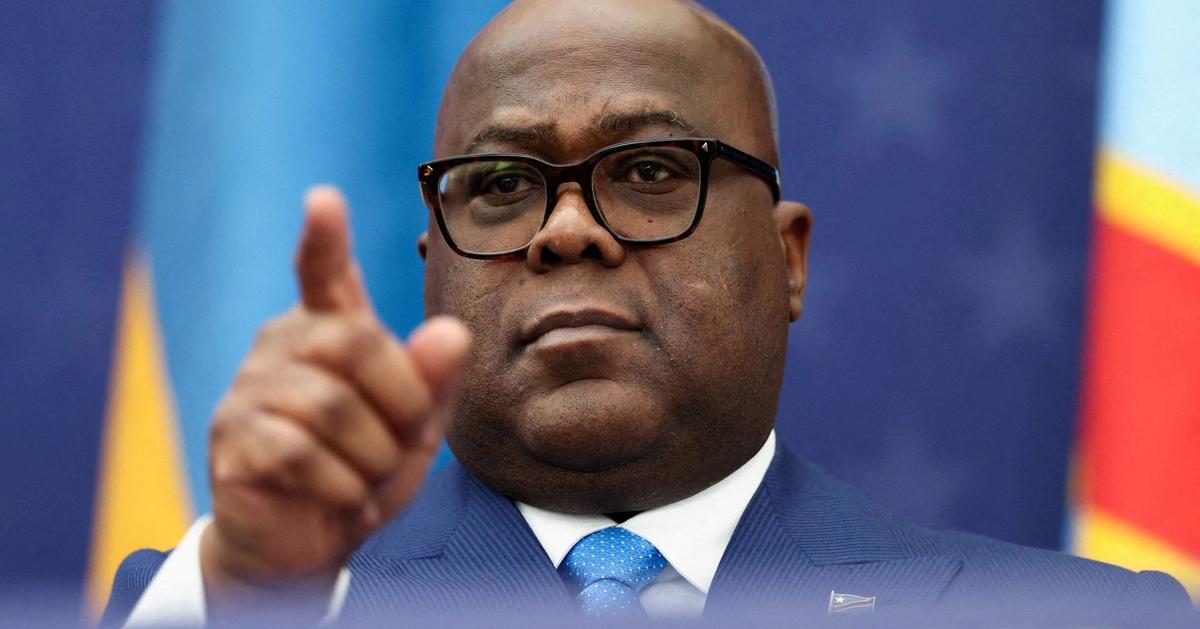
The US decision to sanction Kabila has reinforced perceptions that Tshisekedi has become the centerpiece of Washington’s strategy in Central Africa, particularly as Washington seeks preferential access to cobalt, copper, and other critical minerals essential to energy transition technologies.
Analysts say the sanctions serve multiple purposes at once: pressuring alleged spoilers to peace efforts in eastern Congo while simultaneously weakening a long-feared rival to Tshisekedi.
Cameron Hudson, a former White House official, described the move as “a two-for-one,” arguing that Washington was effectively “doing Tshisekedi a solid” by constraining Kabila politically and financially while protecting a peace process favorable to US interests.
But the move also deepens US exposure to DR Congo’s volatile internal politics, Tshisekedi himself came to power after a controversial election in 2019 where several observers disputed key electoral results.
The Kabila sanctions, coming soon after sanctions on senior Rwanda officials, have given Tshisekedi the comfort to speak of a third term more openly. Several observers fear the sanctions are being interpreted domestically as evidence that Washington is prepared to tolerate constitutional changes so long as Tshisekedi remains aligned with US strategic interests.
Christian Geraud Neema, a fellow with the Carnegie Africa Program, called the sanctions “counterproductive,” arguing they signal Washington is openly siding with Tshisekedi at a delicate political moment. It could also embolden Kabila if the US is “not willing to sustain its engagement over the long term,” noted Benjamin Mossberg of Washington firm Field Focus.
The broader geopolitical calculation remains clear. Washington is attempting to loosen China’s grip over DR Congo’s mining sector while stabilizing a region critical to future global supply chains. But the strategy increasingly hinges on one political figure whose own democratic intentions are now under heightened scrutiny.
If Tshisekedi pushes ahead with constitutional revisions that allow him to remain in office, Washington could find itself accused of prioritizing minerals and geopolitical competition over democratic norms in one of Africa’s most strategically important states.
Credit: Source link