

Deep Dive: What Mali’s Collapse Tells the US About the Sahel
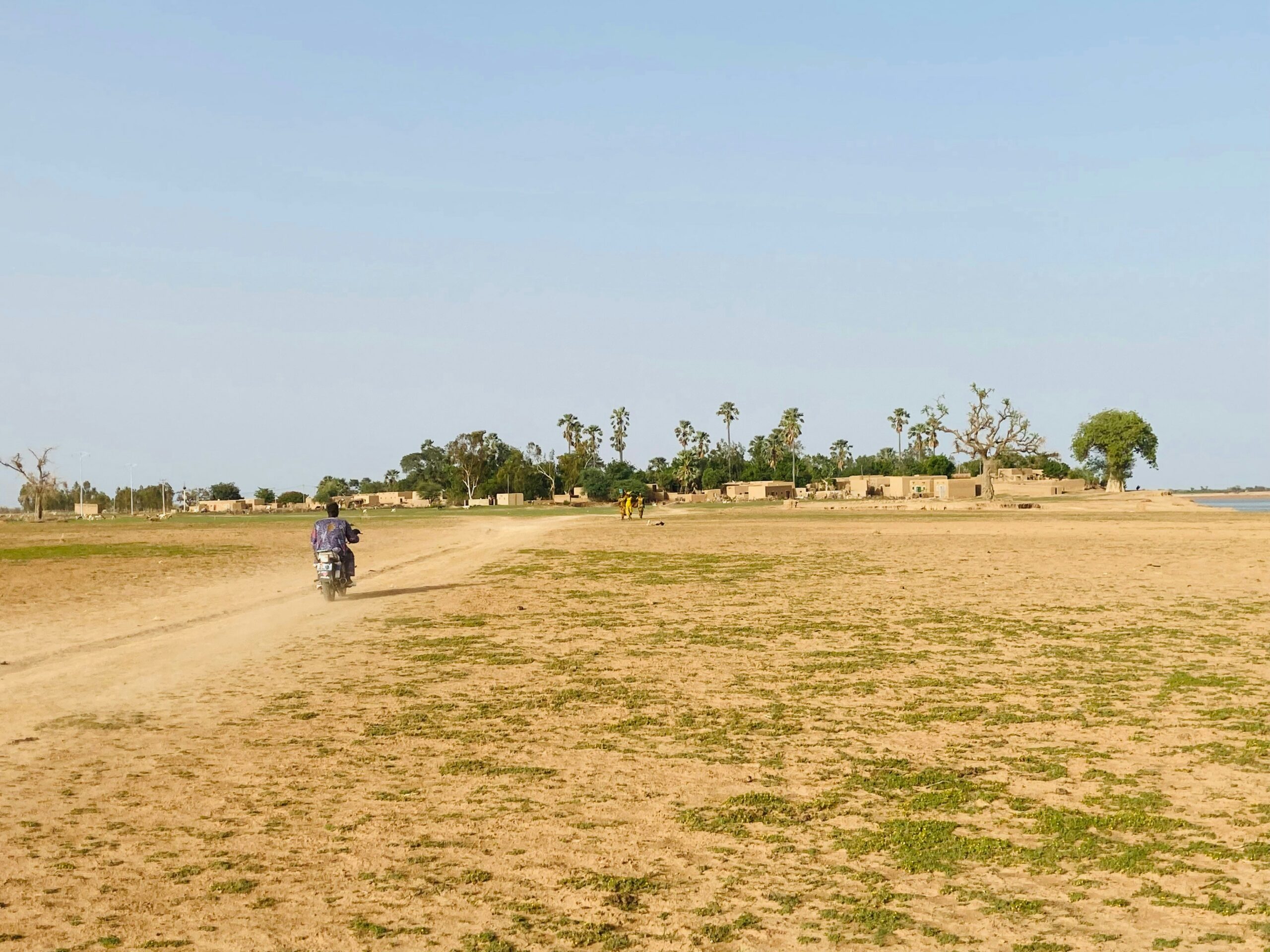
A new analysis by Oge Onubogu, director and senior fellow of the Africa Program at the Center for Strategic and International Studies, argues that the security crisis in Africa’s western Sahel has entered a dangerous new phase with unprecedented and coordinated attacks in military-controlled areas and urban centers of Mali by al Qaeda-linked militant groups and Tuareg separatist forces.
The Sahel already accounted for more than half of all terrorism-related deaths globally in 2024 and continued to dominate the following year among the 10 countries most affected by terrorism. Even against that grim backdrop, the scale and coordination of what followed is striking.
The attacks on April 25 and 26 were the largest joint insurgent-separatist offensive in the country since 2012, killing Mali’s defense minister and forcing the withdrawal of Russia’s Africa Corps from key territory, including the major northern city of Kidal, which Wagner Group mercenaries only captured in November 2023. The speed of that reversal underscores a deeper truth: Tactical military wins have been masking years of structural deterioration. The Sahel’s governing military juntas, which seized power across Mali, Burkina Faso, and Niger between 2020 and 2023, have promised improved security and delivered the opposite.
Those coups were not simply power grabs. They emerged from genuine public frustration with escalating violence, pervasive corruption, and a surge of anticolonial sentiment directed largely at France, which was the region’s primary security partner and had visibly failed to contain the crisis. Russia moved quickly to fill the vacuum, positioning itself as a champion of the juntas’ nationalist posturing on sovereignty while offering what Onubogu describes as purely transactional security arrangements. The junta gained regime protection and counterinsurgency support in return for Russian access to strategic resources and geopolitical leverage across the Sahel.
That model has produced isolated tactical victories. Wagner Group mercenaries, operating alongside Malian forces, did capture Kidal in 2023. But the gains could not be sustained, and the reasons why matter enormously for any outside power now looking to engage. The heavy-handedness of Russia’s military operations and the Malian junta’s repression, including banning political parties and delaying political transitions, alienated important segments of the population and eroded the junta’s legitimacy, allowing insurgents to present themselves as an alternative to a failing state. Onubogu notes that Russia’s broader geopolitical commitments, particularly the war in Ukraine, have also limited its ability to commit resources to the Sahel, a constraint the United States should consider carefully given its own ongoing war with Iran.
The adversaries the Malian state now faces are not a single terrorist insurgency but a layered network of armed groups whose coordination has grown more sophisticated. The most prominent include JNIM, an amalgam of militant groups aligned with al Qaeda, and the separatist Tuareg-led Azawad Liberation Front. These groups had increasingly synchronized their operations, combining jihadist ideology with local grievances and separatist aspirations in ways that purely military approaches had consistently failed to address.
The Trump administration’s early moves in the region tracked the Russian error closely. It lifted sanctions on Wagner-linked junta officials, has been nearing a deal to resume intelligence surveillance flights over Mali, and sent a senior State Department official to Bamako in February. Senior Bureau Official Nick Checker told the Senate Foreign Relations Committee that the administration would pursue “a disciplined, interest-driven strategy rooted in flexible realism” and would prioritize “enabling and cooperating with African nations with demonstrated commitment and capacity to take the lead in addressing their security gaps while advancing core US national interests.”
Onubogu acknowledges that Checker has gestured toward deeper structural factors, noting his testimony cited regional and cultural dynamics, weak governance, lack of economic opportunity, and unresolved regional disputes as conditions fueling conflict, before immediately characterizing them as challenges the United States cannot unilaterally address. Onubogu pushes back on that framing directly, arguing that in conjunction with legitimate local representatives, those challenges could be surmountable, and that declining to engage with them is not pragmatism. Rather, it is a recipe for repeating Russia’s failures.
The geographic scope of the recent attacks in Mali, the direct targeting of senior regime officials, and the coordination between jihadist and separatist forces reflects a change in the operational capability of the insurgents that have been building for years and spreading across the western Sahel. American policymakers have been caught off guard, Onubogu writes, but the window to shape outcomes has not yet closed. Doing so, however, would require the United States to pursue a genuinely multidimensional strategy, one that struck a balance between engaging with the region’s military regimes and insisting on democratic values, and that honestly confronts anti-Western sentiments rather than simply recycling the same sovereignty talking points that Russia has already discredited.
Credit: Source link