
👨🏿🚀TechCabal Daily – Wave-ing to DRC
Wazzup. 
Anthropic, one of the most recognisable AI companies, is going public today. The Claude maker is heading to Nasdaq, where investors will finally get a price tag on the AI hype.
Like Anthropic, we’re making our own entrance. Yesterday in Cape Town, Tomiwa Aladekomo, chief executive officer of Big Cabal Media, parent company of TechCabal, announced TC Mzansi, our new newsletter for Southern Africa’s tech ecosystem, launching on November 23. Expect the big moves, the important stories, and our usual wit. Keep your eyes peeled.
Join the waitlist.
TC Mzansi, our newsletter covering South African tech is coming on November 23.
Be the first to know when it launches

- Misr Life to go public
- Wave makes a splash in DRC
- EBRD lends $100m to Egypt’s small businesses
- Elon Musk’s X and xAI reach South African settlement
- World Wide Web 3
- Events
Capital Markets
Fifth time’s the charm; Egypt’s Misr Life to list on EGX in December

Egypt’s stock market has had a busy quarter. October brought the successful listing of fintech unicorn MNT-Halan, which listed its Egyptian business. In November, Banque du Caire, the country’s sixth-largest commercial bank, saw its shares barely move on their first trading day despite a record-breaking initial public offering (IPO). December’s next major listing is a 126-year-old insurance giant.
Misr Life Insurance, one of Egypt’s largest life insurers, plans to sell a 15% stake on the Egyptian Exchange (EGX) in December. Its state-owned parent, Misr Insurance Holding Company, will offer 750 million existing shares to local and international investors, subject to regulatory approval.
Explain like I’m new here: Misr Life has been around since 1900. It’s also been trying to go public for nearly a decade. Its first planned listing was scheduled for 2019, before being pushed to 2020, 2022, and 2023. After years in the waiting room, the insurer finally has another date with the stock market.
Here’s what investors are getting: Misr Life controls 26.3% of Egypt’s life insurance market and manages an investment portfolio worth over EGP 100 billion ($1.86 billion). It earned EGP 5.2 billion ($97 million) in the first half of 2026, nearly matching its EGP 5.8 billion ($107.9 million) profit for all of 2025.
The company is also dangling a sweetener: it aims to distribute 70% of its 2026 net income as dividends, subject to the necessary approvals.
There’s a tech angle, too: On November 13, Misr Life became Egypt’s first life insurer to receive a fintech licence, according to Egypt’s State Information Service, its national media outlet. The licence allows it to offer services such as policy pricing, payments, and claims online. It wants digital channels to generate about 30% of new business by 2030.
Between the lines: Egypt is selling stakes in state-owned businesses to attract private investors and raise money as it tackles a heavy debt burden. The government is also under pressure to meet its asset-sale commitments to the International Monetary Fund (IMF). This month, state-owned Banque Misr sold a 45% stake in Banque du Caire through an IPO, raising $658 million towards that target.
But there’s an important distinction: Misr Life isn’t raising fresh capital through this IPO. Its parent company gets the proceeds because it’s selling shares it already owns. The state gets a payday. Misr Life gets new shareholders. However, the price for Egypt’s oldest insurance giant has to be right for retail investors to feel like they’re getting a bargain.


Upgrade your business today
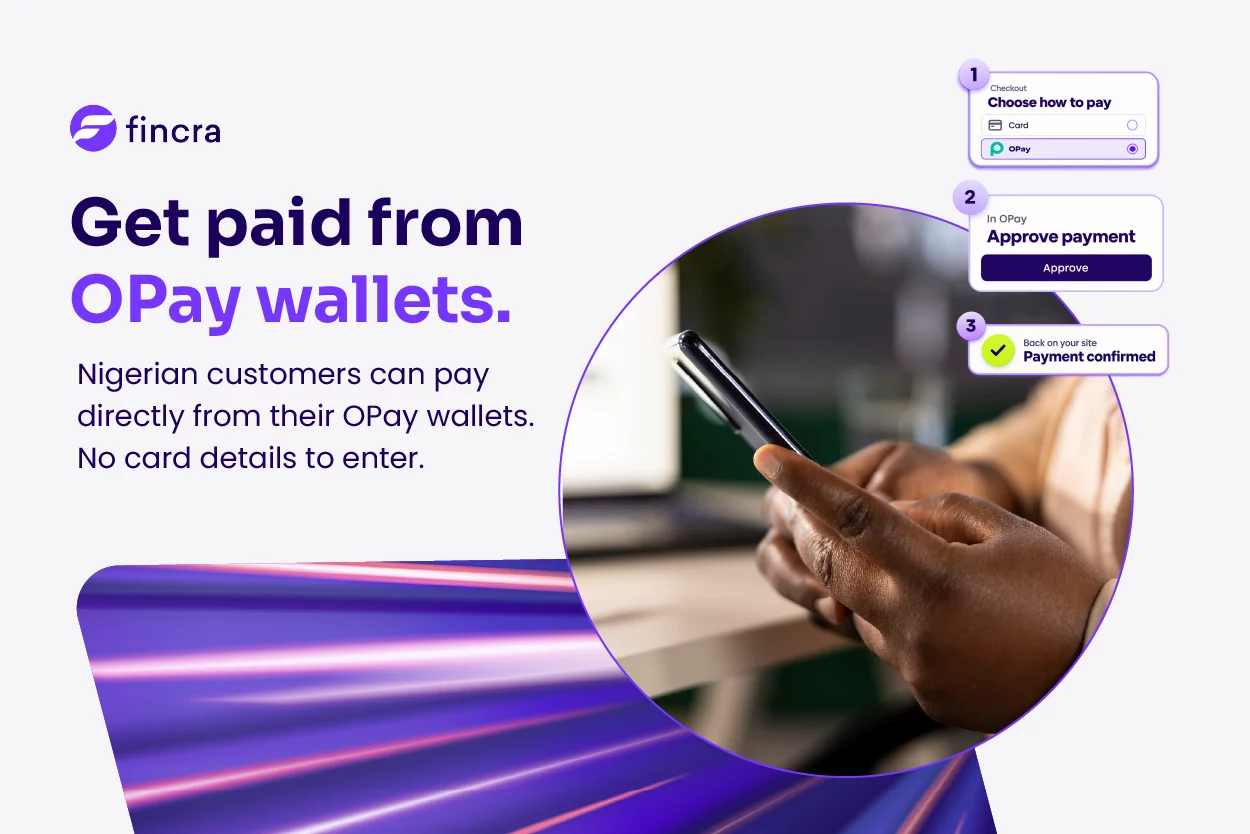
Pay with OPay is live on Fincra. Customers approve payments straight from their OPay wallet, and you get confirmation back on your site. Available now for NGN collections! Upgrade your business today with Fincra pay with OPay.
Fintech
Wave breaks into DRC’s mobile money market
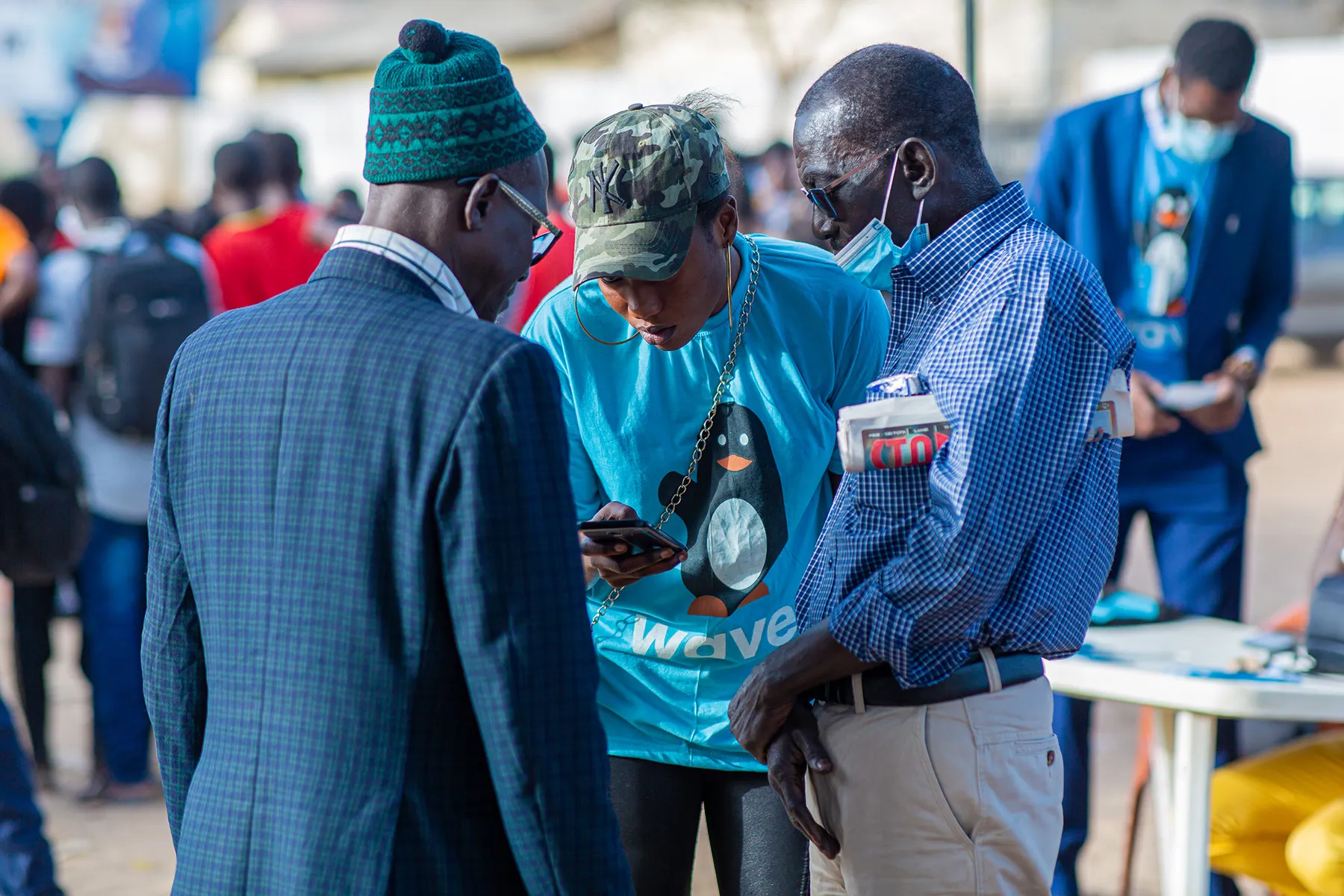
For 11 years, the Democratic Republic of Congo’s (DRC) mobile money market was exclusive. Four operators entered, built their businesses, acquired customers, and made money. Nobody new got a licence. Now, Wave has managed to get past the velvet rope.
What happened? Wave, the Senegal-based fintech unicorn, has received approval from the Central Bank of Congo (BCC) to operate as an electronic-money institution (EMI) in the DRC. The licence allows it to issue and manage digital money in the country.
Explain like I’m new here: Wave is the first new entrant to secure this licence since 2015. Between 2012 and 2015, the regulator issued licences to Airtel Money, Orange Money, Vodacash (M-PESA), and Afrimobile Money—mostly telecom-owned mobile money operators. The government didn’t announce a ban on fintechs from the market.
Between the lines: The problem was structural, as telecom operators already controlled the infrastructure that made mobile money work, including USSD channels and agent networks where customers could deposit and withdraw cash. Independent fintechs fought an uphill battle without owning or controlling similar infrastructure.
That left four players with a considerable head start, and they used it well. As of 2025, Vodacash/M-PESA, the Safaricom-owned mobile money company, held a 40.1% market share in DRC; Airtel Money had 23.8%; Orange Money had 34.4% market share, while Afrimoney had 1.7% of the market.
Wave is in the ring now: Wave’s West African strategy has leaned heavily on affordable transfers, including its widely recognised 1% transfer fee. In the region, the company has grown to about 18 million users across several French-speaking countries such as Senegal, Côte d’Ivoire, and Cameroon. That scale gives Wave some experience competing in markets where mobile money is well established. However, it will still be playing catch-up in DRC.
Funding
EBRD lends $100 million to Egypt’s small businesses

Egypt has frozen new microfinance licences. Apparently, nobody said anything about freezing the money.
The European Bank for Reconstruction and Development (EBRD), the development finance institution, is lending up to $100 million to the National Bank of Egypt (NBE), the country’s largest bank, to help small businesses access credit. Women-led businesses and entrepreneurs outside major cities are among the intended beneficiaries.
Follow the money: The $100 million isn’t going straight into entrepreneurs’ bank accounts. NBE will pass the funds to eligible microfinance institutions, which will then lend to small businesses. Think of a woman running a tailoring shop in rural Egypt who needs money to buy more sewing machines. A local microfinance lender could use this funding to give her a loan, which she’d repay under the agreed terms.
The EBRD will also provide training and technical support to help NBE strengthen its lending operations, it said in its announcement.
Explain like I’m new here: The EBRD has been financing Egyptian businesses since 2012, investing nearly €17 billion ($19.7 billion) across 245 projects. It has partnered with NBE before, including a separate $100 million facility announced in 2025 to support smaller businesses.
Here’s the twist: Last Friday, Egypt’s Financial Regulatory Authority (FRA) extended its freeze on new microfinance and consumer lending licences until October 2027. The regulator wants to strengthen the existing market before letting more lenders in.
Zoom out: The latest deal shows Egypt isn’t trying to slow down small-business lending. It’s directing fresh capital through institutions already authorised to operate. The money could help existing lenders reach more borrowers, but it won’t necessarily make loans cheaper or easier to obtain. Much will depend on the terms those lenders offer and the businesses they choose to serve.
Social Media
X and xAI settle South Africa media dispute with publisher training

Elon Musk’s social media company X and his AI company xAI have agreed to play ball with South Africa’s competition watchdog. The companies have settled a dispute over measures intended to help local news publishers earn more money from digital platforms and gain control over how their content is used.
Under the agreement announced on Wednesday, X will let eligible publishers earn money from their content, offer them training, and give qualifying publishers two years of free Premium subscriptions. xAI will help them control how its Grok chatbot accesses their websites.
Explain like I’m new here: In October 2023, South Africa’s Competition Commission launched an inquiry into how digital platforms were affecting the economics of local media. The concern was that companies such as Google, Meta, TikTok, and X benefited from journalism to attract audiences and advertising, while publishers lost traffic and advertising revenue.
In November 2025, the commission published its final recommendations, proposing measures to address the imbalance. Google and YouTube agreed to a R688 million ($40 million) media-support package over five years. Meta and TikTok also accepted publisher-support and monetisation commitments. However, X and xAI challenged the recommendations before the Competition Tribunal.
So, what did X and xAI agree to? X will now give publishers access to its monetisation programmes, run workshops twice a year, and provide its Premium subscription tier free for two years where publishers need it to qualify. The programme must launch within six months. xAI will teach publishers how to manage Grok’s settings and use robots.txt, a file that tells automated crawlers which parts of a website they can access.
What does this mean for South Africa? The settlement gives South African publishers and local media companies another way to earn from their presence on X, handing them more control over how AI crawlers access their websites. However, it does not guarantee additional revenue or compensate publishers for content already used to train AI models.
CRYPTO TRACKER
The World Wide Web3
Source:
|
Coin Name |
Current Value |
Day |
Month |
|---|---|---|---|
 Bitcoin |
$63,493 |
– 1.32% |
– 22.47% |
| Ether |
$1,798 |
– 0.88% |
– 25.22% |
| Pieverse |
$2.84 |
+ 32.43% |
+ 167.91% |
| Solana |
$74.47 |
– 0.25% |
– 28.96% |
* Data as of 05.45 AM WAT, November 19, 2026.
Events
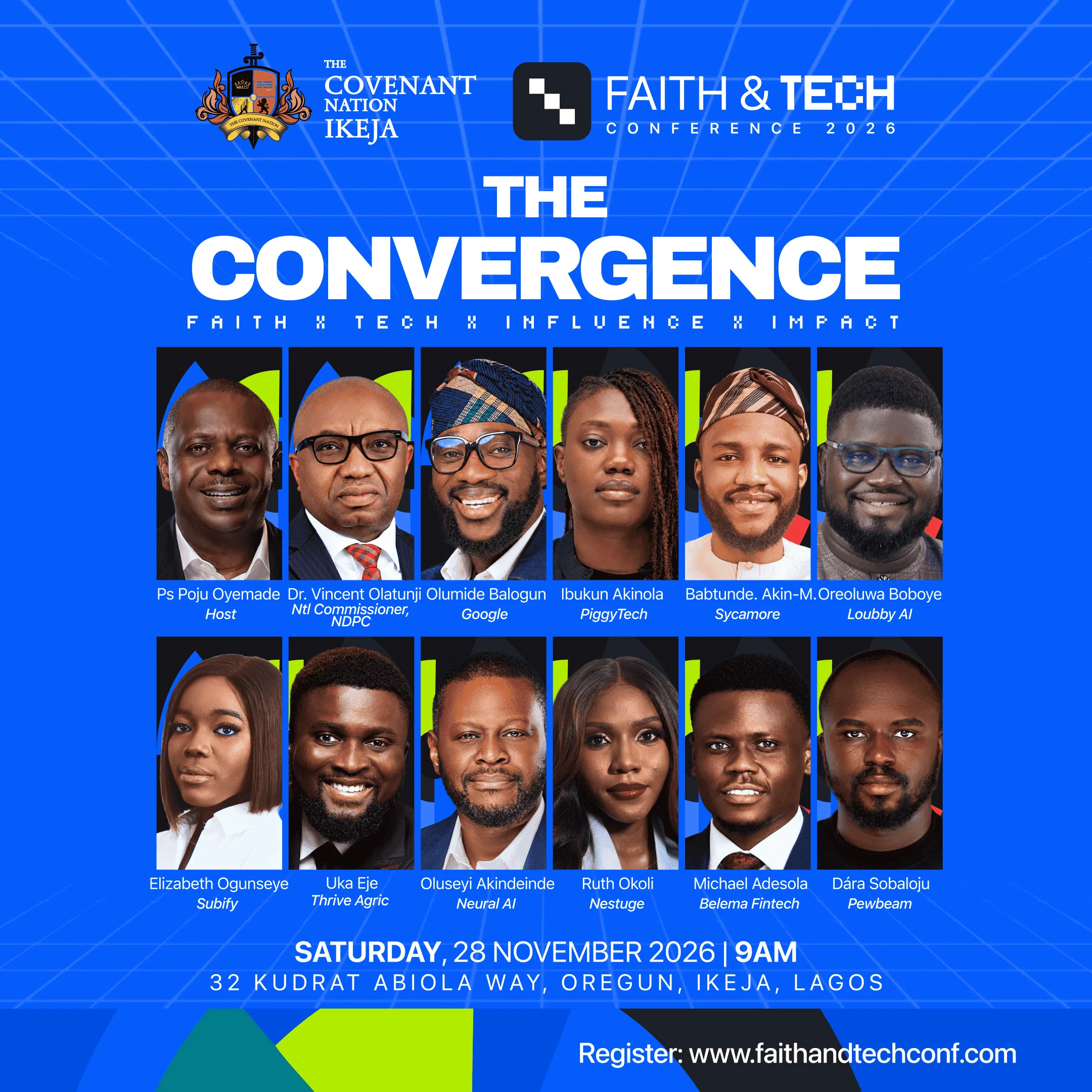
- Faith & Tech Conference 2026 brings over 1,000 founders, builders, and professionals together in Lagos on November 28. Register to attend for free.

- TechCabal deepens South African coverage with new weekly newsletter
- First Circle Capital closes $26 million fund to back early-stage African fintechs
-
The small African lab sounding the alarm on AI bioweapons
-
Grand Theft Auto VI does something impossible — it lives up to the hype
Written by: Yemi Kareem and Emmanuel Nwosu
Edited by: Emmanuel Nwosu & Ganiu Oloruntade
Want more of TechCabal?
Sign up for our insightful newsletters on the business and economy of tech in Africa.
- The Next Wave: futuristic analysis of the business of tech in Africa.
- Francophone Weekly by TechCabal: insider insights and analysis of Francophone’s tech ecosystem
P:S If you’re often missing TC Daily in your inbox, check your Promotions folder and move any edition of TC Daily from “Promotions” to your “Main” or “Primary” folder and TC Daily will always come to you.
Crédito: Link de origem