
👨🏿🚀TechCabal Daily – Nigeria tightens stablecoin rules

Good morning. 
Across Africa, climate-tech is becoming a part of how essential sectors are built, financed, and run, powering homes and businesses the grid never reaches, lowering the running costs of the vehicles that move people and goods, and helping farmers produce beyond the rainy season.
TechCabal Insights’ State of ClimateTech in Africa 2026 tracks $6.2 billion raised by African climate-tech startups between 2019 and H1 2026, even as deal count continues to decline, and the business models begin to work across energy, mobility, agriculture and food, waste, and carbon. In H1 2026, climate-tech startups overtook fintech in African startup funding for the first time, signaling growing interest in the sector.
Download the report to see the funding patterns, business models, and market conditions shaping the sector’s next phase.
Read smart insights about Francophone Africa’s tech ecosystem—weekly.
Subscribe

- Quickmart IPO draws strong demand
- Nigeria tightens stablecoin rules
- Kenya targets social media giants
- Côte d’Ivoire opens cyber hub
- World Wide Web 3
- Job Openings
Capital Markets
Quickmart’s IPO oversubscribed by 22.7%
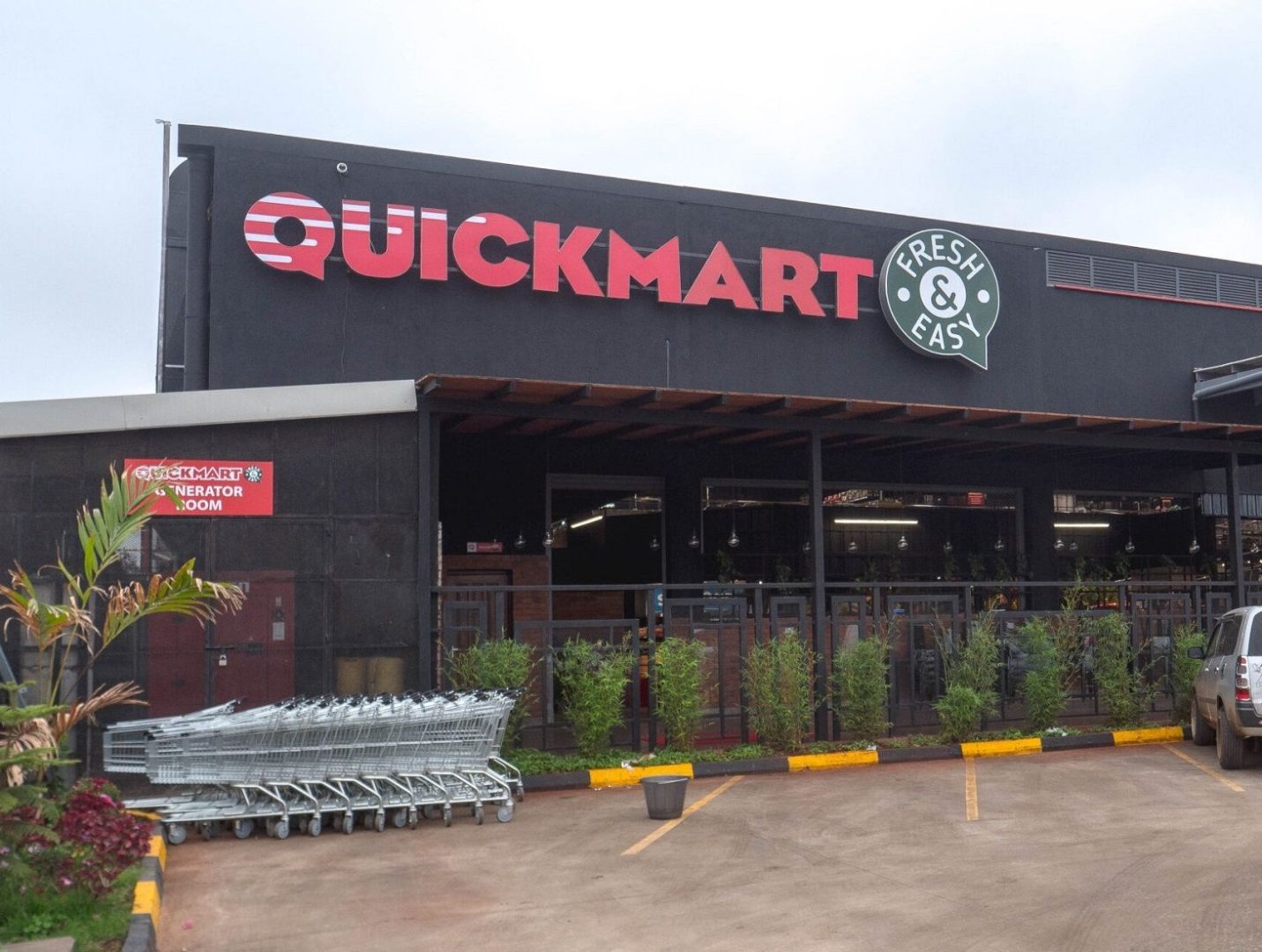
At a supermarket, shoppers fill their baskets. But in Kenya, investors have been filling theirs with Quickmart shares, the country’s second-largest supermarket chain. And there weren’t enough shares to go around.
What happened? Quickmart announced on Friday that its initial public offering (IPO) was oversubscribed by 22.7%. Investors applied for 2.45 billion shares worth KES 18.41 billion ($142 million), against the two billion shares available for KES 15 billion ($116 million). The offer attracted 18,492 applications, marking Kenya’s second IPO of 2026, after Kenya Pipeline Company in January.
Explain like I’m new here. An IPO makes a company’s shares available to the public for the first time. In Quickmart’s case, investors were buying half of the supermarket chain at KES 7.50 ($0.058) per share, valuing the business at KES 30 billion ($232 million).
Who got what? Kenyan and East African retail investors received all the shares they were eligible for, while foreign investors weren’t quite as lucky. They applied for nearly three times their initial allocation and received roughly half the shares they requested. In October, the International Finance Corporation (IFC), the World Bank’s private-sector investment arm, also secured a 6.45% stake.
Here’s the interesting part: Quickmart won’t receive the KES 15 billion ($116 million) from the IPO. Sokoni Retail Kenya, its majority shareholder, sold the shares, retaining a 50% stake. This means the proceeds go to the seller, rather than directly funding Quickmart’s expansion plans.
Zoom out: Quickmart, which operates 72 stores across Kenya, wants to expand to 125 by 2030. Its successful IPO suggests investors are willing to back the company’s ambition, even though it must finance the expansion separately. The next big moment comes on November 12, when Quickmart begins trading on the Nairobi Securities Exchange (NSE).
Investors have shown eagerness to buy. Soon, we’ll see what they’re willing to pay.


Upgrade your business today
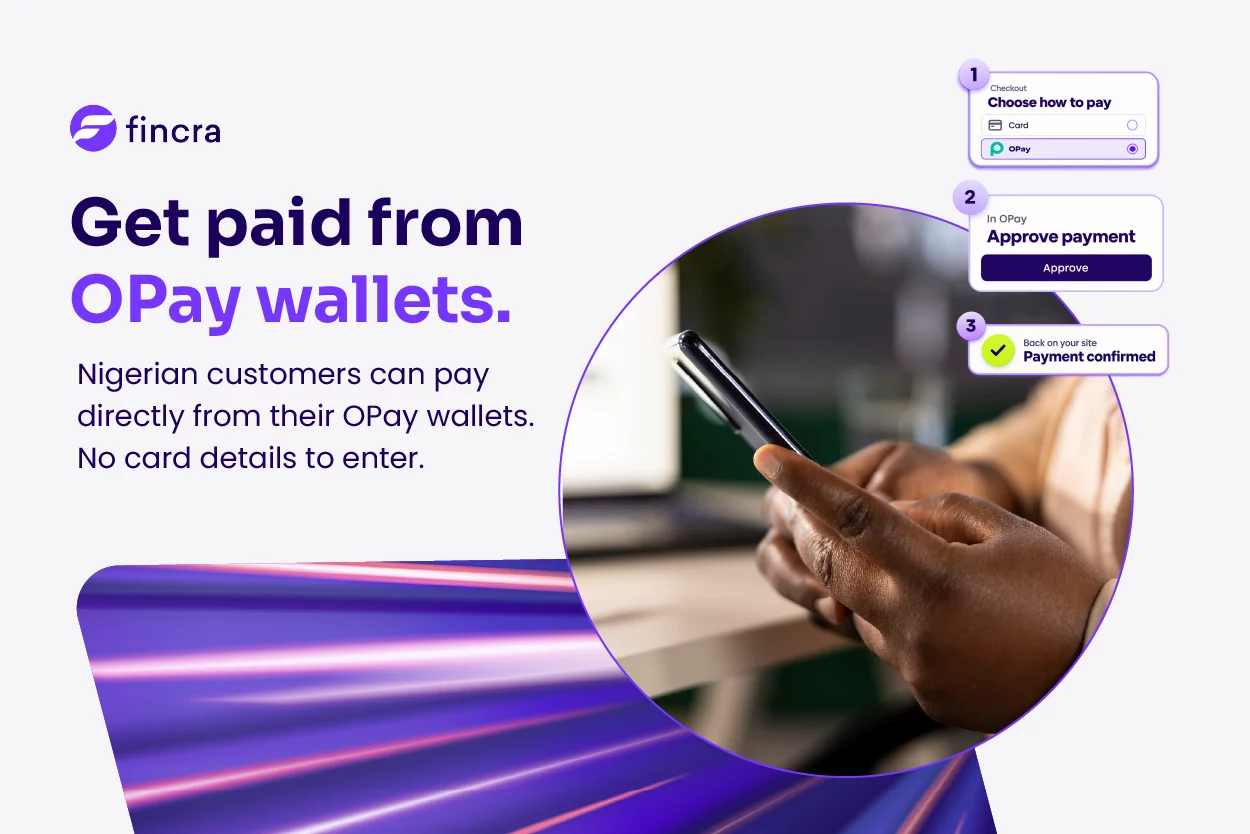
Pay with OPay is live on Fincra. Customers approve payments straight from their OPay wallet, and you get confirmation back on your site. Available now for NGN collections! Upgrade your business today with Fincra pay with OPay.
Cryptocurrency
Nigeria raises the cost of issuing stablecoins
Stablecoins are supposed to make cross-border payments easier. But for the companies issuing them, operating across those borders is becoming more complicated and expensive.
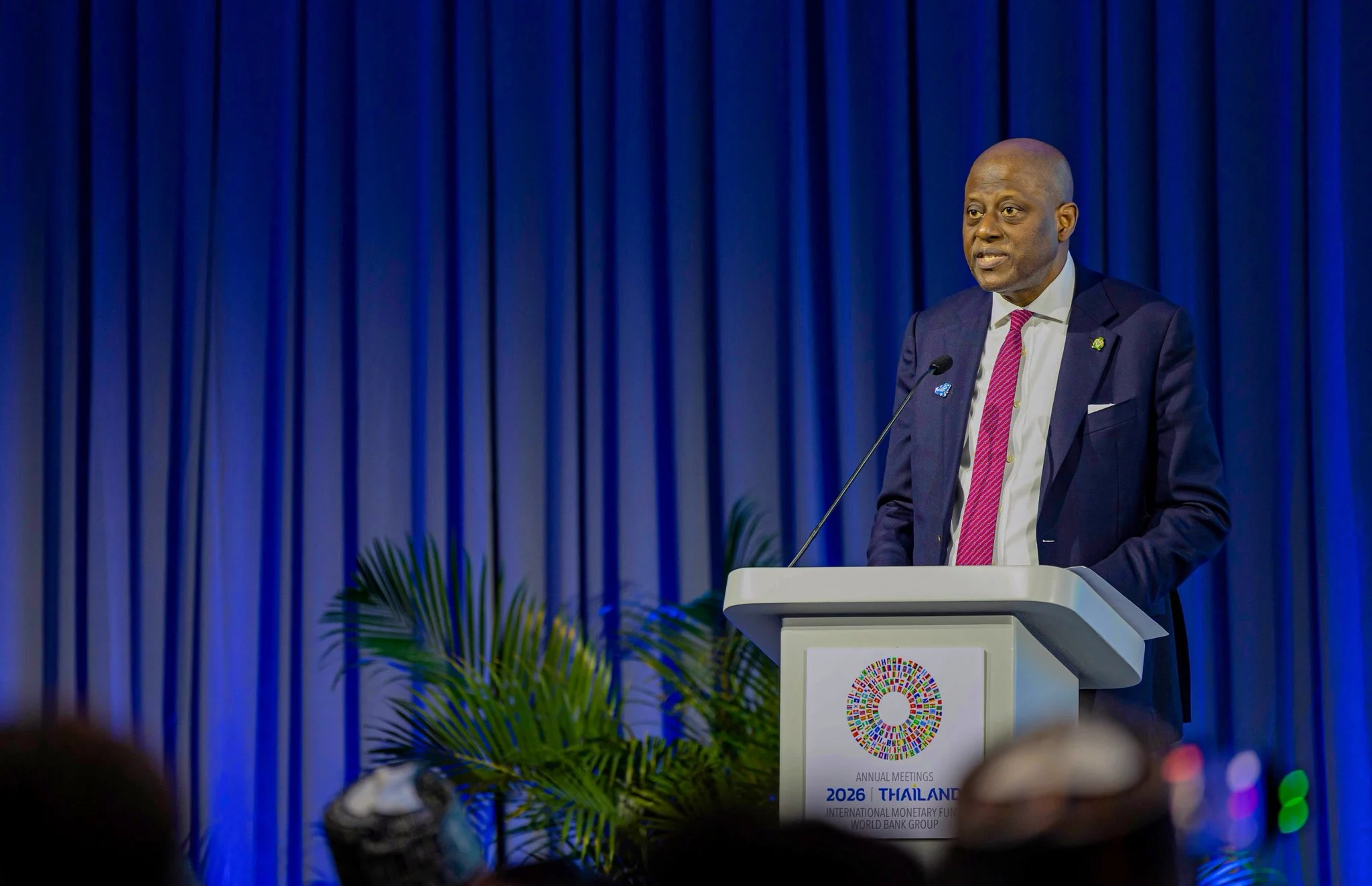
What’s happening? Nigeria’s Central Bank (CBN) has introduced new rules requiring issuers of foreign-currency stablecoins, including those behind dollar-pegged tokens such as USDT and USDC, to maintain at least ₦15 billion ($11.16 million) in paid-up capital. They must also establish locally incorporated, licenced businesses to serve the Nigerian market. Issuers of naira-backed stablecoins face a ₦10 billion ($7.44 million) requirement.
And that’s not all. Foreign-currency stablecoin issuers must maintain a separate operational liquidity buffer of at least $10 million, potentially more depending on their Nigerian obligations. That’s in addition to the capital and reserves required to back their tokens.
Nigeria isn’t alone. In July, Kenya introduced regulations requiring stablecoin issuers to maintain KES 300 million ($2.3 million) in paid-up capital and register locally. The rules also require companies to hold at least 30% of funds received for stablecoin issuance in Kenyan bank trust accounts, with the remainder invested locally.
Explain like I’m new here. International companies typically issue stablecoins such as USDT and USDC, but Nigerians and Kenyans use them to access dollars, pay overseas suppliers, and move money across borders. Regulators want those companies to meet domestic financial requirements rather than relying solely on approvals obtained abroad.
State of play: Here’s where things get interesting. If more African countries introduce separate capital, reserve, and licencing requirements, stablecoin issuers could face the cost of establishing regulated operations in every market they want to serve.
Large companies like Tether and Circle may be better placed to absorb those costs. Smaller issuers could struggle to justify entering certain markets, potentially leaving users and payment companies with fewer regulated stablecoin options.
Between the lines: Thereis a reasonable case for these rules. Local supervision and accessible reserves can protect customers when an issuer fails or cannot honour withdrawals. But there’s a trade-off: Africa could end up with a patchwork of national stablecoin markets, each with different requirements, even though the tokens themselves can move across borders.
Zoom out: Stablecoins have made transferring digital dollars relatively simple. Making those transfers work legally across multiple African markets may prove considerably harder.
Social Media
Kenya wants Meta, TikTok and X to report illegal activity on their platforms

Kenya’s Ministry of Information, Communications, and the Digital Economy has proposed amendments to the Kenya Information and Communications Act that would require digital platforms serving Kenyan users to register their services with the Communications Authority of Kenya (CA) and report unlawful activity on their platforms.
Explain like I’m new here: In February 2026, Parliament rejected a TikTok ban and called instead for stronger regulation, including age safeguards and better content moderation. In May, ICT Cabinet Secretary William Kabogo told senators that the government had given X (formerly Twitter) temporary approval to operate on the condition that it establishes a physical office in Kenya within three months.
There’s more: A separate Online Safety Bill 2026 goes further by proposing a duty of care for regulated online services. This would require platforms to conduct annual risk assessments, including examining how their recommendation algorithms and content distribution systems could expose users to harm.
Companies found in breach could face fines of up to KES 500 million ($3.9 million) or 10% of their global annual turnover.
Enforcement can be tricky: The Online Safety Bill says platforms will not be required to scan private messages. However, questions remain about what counts as unlawful activity, how reports will be assessed and how the regulator will prevent the rules from being used to suppress legitimate speech.
Cybersecurity
Côte d’Ivoire opens cybersecurity centre to defend West and Central Africa

US tech company Cybastion, in partnership with Cisco and the Ivorian government, has opened the Cisco Cybersecurity Centre in Abidjan. Inaugurated on November 5, the facility is designed to strengthen Côte d’Ivoire’s cyber defence capabilities while serving as a regional hub for West and Central Africa.
It houses a Security Operations Centre (SOC), which monitors digital systems for suspicious activity, and a Security Incident Response Team that investigates attacks and coordinates responses.
Explain like I’m new here: INTERPOL’s 2025 Africa Cyberthreat Assessment found that cybercrime accounted for more than 30% of reported crime in West and East Africa. Online scams, ransomware, business email compromise, and digital sextortion were among the most frequently reported threats. It also found that 90% of African countries surveyed needed significant improvements in their law enforcement or prosecution capacity.
Why this matters: A centre that can monitor systems and coordinate incident response gives governments and businesses another layer of defence. This could also strengthen the protection of government services and critical infrastructure as more of the country’s economy moves online.
Through the Africa DigiEmpower programme, the partners aim to train 200,000 learners in Côte d’Ivoire in cybersecurity, networking and AI by 2030. That could help build a pipeline of skilled workers for a sector that needs it.
CRYPTO TRACKER
The World Wide Web3
Source:

|
Coin Name |
Current Value |
Day |
Month |
|---|---|---|---|
 Bitcoin |
$75,625 |
– 5.88% |
– 10.24% |
| Ether |
$2,223 |
– 8.04% |
– 15.05% |
| XRP |
$1.19 |
– 8.20% |
– 18.56% |
| Solana |
$89.30 |
– 6.64% |
– 24.83% |
* Data as of 06.54 AM WAT, November 9, 2026.
JOB OPENINGS
- Sparkle Nigeria — Business Growth Manager — Lagos, Nigeria
- Tech Safari — Content Lead — Nairobi, Kenya, and Abuja, Nigeria (remote, anywhere in Africa)
- CredPal — Credit Underwriter — Lagos, Nigeria
- Pesa — Social & Influencer Marketing Manager — Remote (Nigeria)
- Bamboo — Product Manager (Misan) — Hybrid (Lagos, Nigeria)
- Àngeles Sostenibles — Operations Associate — Abuja, Nigeria
- Coinomad — Sales Manager, Business Development Manager — Nigeria
- Sumsub — Senior Anti-Fraud Analyst — Remote (anywhere)
- AfriChange — Compliance Specialist — Remote (Nigeria)
- Scouthappy — Growth Lead for Fintech (Stocks) — Remote (Nigeria)
- Daya — Growth Product Manager (Daya Coins) — Remote (Nigeria)
- Qore — Site Reliability Engineering (SRE) Manager — Lagos, Nigeria
- Afreximbank — Student and Postgraduate Internship — Cairo, Egypt
Looking for more opportunities? There are additional openings on TechCabal’s job board. We’ve also cleared out outdated listings to keep opportunities fresh for job seekers. If you’re hiring and would like to feature an open role, please submit it via this form.

- Startups recalibrate Chinese AI for the West
- Qatar’s $5.5 million startup fund could open doors for African founders
- OPay was used to scaling regulatory walls until its IPO
- Habana went from World Cup winner to fintech beginner. Here’s what he learned.
Written by: Yemi Kareem and Emmanuel Nwosu
Edited by: Emmanuel Nwosu & Ganiu Oloruntade
Want more of TechCabal?
Sign up for our insightful newsletters on the business and economy of tech in Africa.
- The Next Wave: futuristic analysis of the business of tech in Africa.
- Francophone Weekly by TechCabal: insider insights and analysis of Francophone’s tech ecosystem
P:S If you’re often missing TC Daily in your inbox, check your Promotions folder and move any edition of TC Daily from “Promotions” to your “Main” or “Primary” folder and TC Daily will always come to you.

Crédito: Link de origem